

Domestic and Commercial Air Conditioning
Air Conditioning Installation
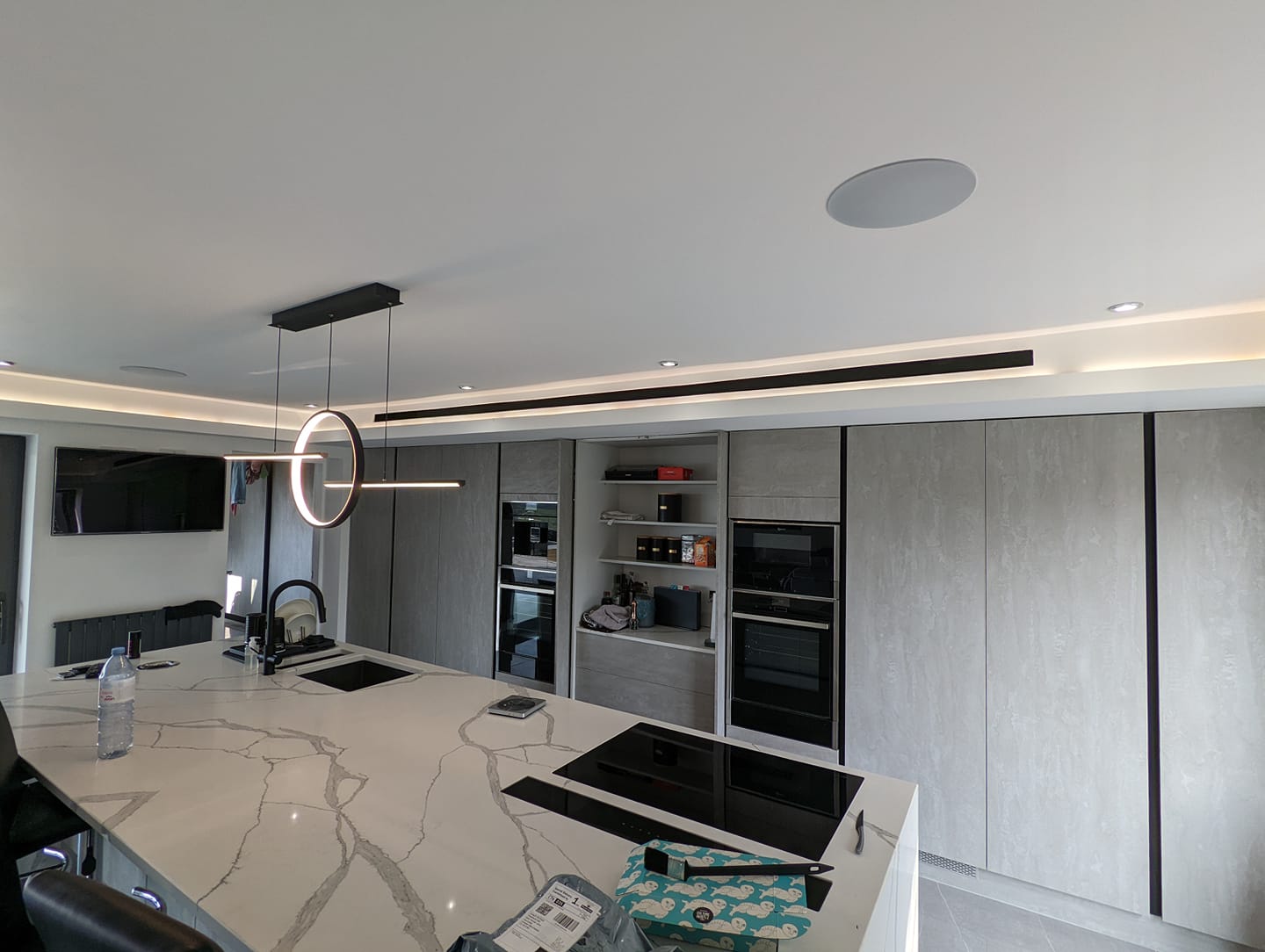
Professional air conditioning installation is a critical step, whether for your home or business. Expert installers carefully select the right system, position it for optimal performance, and ensure all components work seamlessly. In domestic settings, it guarantees comfort, energy efficiency, and clean indoor air. In commercial spaces, it’s essential for employee well-being and customer satisfaction. Proper installation prevents issues that can lead to costly repairs and inefficiency. By investing in professional installation, you not only enjoy immediate comfort but also save money in the long run through reduced energy bills and repairs.
Servicing & Maintenance
Effective air conditioning system design is a crucial consideration, whether for your home or business. Tailored to your space, it involves assessing your cooling needs, determining the right system size, and optimizing airflow and ductwork. For domestic settings, it ensures comfort, energy efficiency, and indoor air quality. In commercial applications, it’s vital for employee well-being and customer comfort. A well-designed system not only enhances performance but also saves you money by reducing energy costs.

Air Conditioning Design
Effective air conditioning system design is a crucial consideration, whether for your home or business. Tailored to your space, it involves assessing your cooling needs, determining the right system size, and optimizing airflow and ductwork. For domestic settings, it ensures comfort, energy efficiency, and indoor air quality. In commercial applications, it’s vital for employee well-being and customer comfort. A well-designed system not only enhances performance but also saves you money by reducing energy costs.
Commercial Air Conditioning
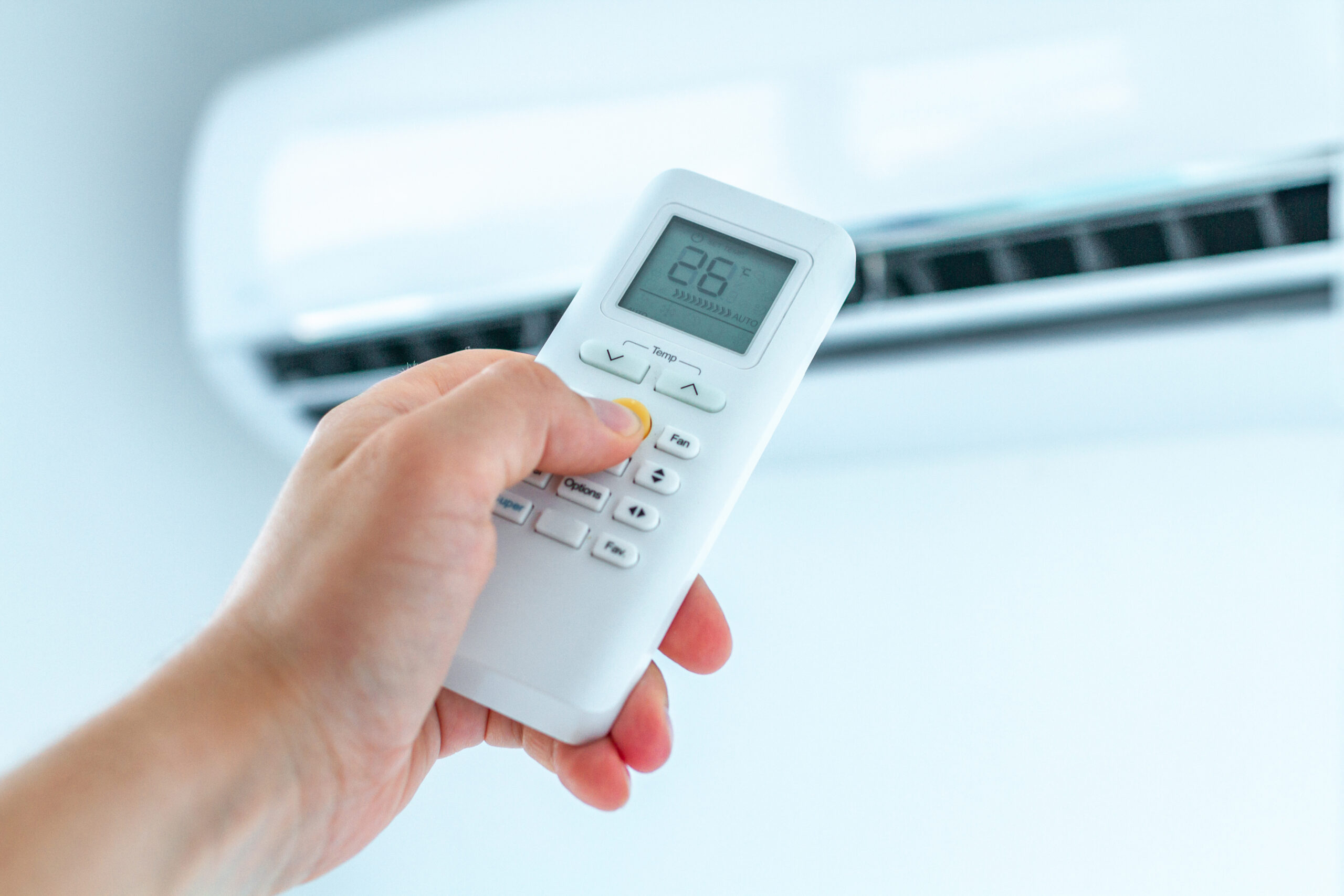
Effective air conditioning system design is a crucial consideration, whether for your home or business. Tailored to your space, it involves assessing your cooling needs, determining the right system size, and optimizing airflow and ductwork. For domestic settings, it ensures comfort, energy efficiency, and indoor air quality. In commercial applications, it’s vital for employee well-being and customer comfort. A well-designed system not only enhances performance but also saves you money by reducing energy costs.

Frequently Asked Questions.
We frequently receive inquiries regarding the installation, operation, and maintenance of air conditioning systems.
To assist you, we have compiled a list of some of the most commonly asked questions along with the answers. If you can’t find the answer to your question, please don’t hesitate to contact us. Our team is always ready to help you.
Do air conditioning units provide both cooling and heating?
Yes, many air conditioning units, particularly modern models, are equipped with both cooling and heating functions. These systems are often referred to as heat pumps. They work by reversing the refrigeration cycle, allowing them to extract heat from the outside air and pump it indoors during colder months, while in summer, they reverse the process to provide cooling. This dual functionality ensures that air conditioning units offer year-round comfort, regardless of the season.
How much power does a unit pull?
The power consumption of an air conditioning system depends largely on the unit’s size and efficiency. For a standard home (2,000–2,500 sq. ft.), central air conditioning systems typically range from 3 to 5 tons in capacity, equating to approximately 7.0 kW to 10 kW of power. On average, these units can consume anywhere from 3,000 to 5,000 watts per hour during operation. The actual energy consumption will depend on factors such as the system’s Seasonal Energy Efficiency Ratio (SEER), the thermostat setting, the outdoor climate, and how long the unit is running. Higher SEER ratings indicate more energy-efficient models, resulting in lower electricity usage and operational costs.
Is the indoor or outdoor unit noisy?
Noise levels can vary significantly depending on the type, age, and model of the air conditioning unit. The outdoor unit, which houses the compressor, is typically louder than the indoor unit, as it works to expel heat. On average, outdoor units generate noise in the range of 46–50 decibels. For reference, this is roughly the noise level of a refrigerator. Indoor units are generally quieter, ranging from 19 to 50 decibels, which is comparable to the sound of a quiet conversation or background noise in a library. However, noise levels may increase with older systems or if the units are poorly maintained. Proper installation and regular servicing can help mitigate noise levels.
What size is the indoor unit?
The dimensions of the indoor unit can vary depending on the specific model and type of air conditioning system. However, a typical indoor air conditioning unit (wall-mounted) generally measures about 24 inches in width, 16 inches in height, and 12 inches in depth. This compact size is designed for easy installation in most residential settings. Larger systems, such as ducted units, will require more substantial space for both installation and airflow, as they may include additional components such as ducts or vents.
Can I control my air conditioning unit with a smartphone?
Yes, many modern air conditioning units are compatible with smartphones and smart home systems. These units often feature Wi-Fi connectivity, enabling you to control settings such as temperature, fan speed, and operating mode remotely via a dedicated app. Additionally, some systems are compatible with home automation platforms like Google Home or Amazon Alexa, allowing for voice commands. This smart functionality enhances user convenience and helps optimize energy use by allowing you to adjust your settings while you’re away from home or on the go.
How much water does an air conditioning unit produce?
Air conditioning units naturally produce condensation as they cool the air. This condensation occurs when warm, humid air passes over the cooling coils inside the system, causing the moisture to condense into water. The amount of water produced depends on several factors, including the size of the unit, outdoor temperature, humidity levels, and the frequency of use. On average, a residential air conditioner can produce between 15 and 70 litres of water per day. This water is typically collected in a drainage pan and directed outside, though some units have built-in mechanisms to remove the moisture.
How much does it cost for an air-conditioning unit to run?
The cost of running an air conditioning unit depends on several factors, including the size of the unit, its energy efficiency, the climate in which you live, and how often the unit is used. On average, residential air conditioners cost around 8 to 14 pence per hour to operate, but this can vary. To estimate your actual costs, you can multiply the wattage of your unit by the local cost per kilowatt-hour of electricity. For instance, a 3 kW unit running for 5 hours would consume 15 kWh of energy. If your energy rate is 0.20 per kWh, your cost for running the unit for 5 hours would be £3.
Do I need to service my air conditioning system?
Yes, regular servicing of your air conditioning system is essential for maintaining optimal performance, efficiency, and longevity. Routine maintenance helps prevent common issues such as clogged filters, reduced airflow, or refrigerant leaks, which can lead to costly repairs or even system failure. It is recommended that air conditioning systems be serviced at least once a year, typically before the cooling season begins, to ensure they are functioning at peak efficiency. During a professional service, technicians will clean components, check refrigerant levels, inspect the condenser and evaporator coils, and verify that all parts are working properly. We will notify you annually when it’s time for your service.
Can I install an air conditioning myself?
While it may seem tempting to install an air conditioning unit yourself, it is important to understand that air conditioning installation is a specialized task that requires training and certification. Specifically, technicians must be F-Gas certified to handle refrigerants, which are regulated due to their potential environmental impact. Installing air conditioning units without the proper certification is not only illegal but also dangerous, as it involves handling potentially hazardous materials. At Domestic Air, all of our installation engineers are fully F-Gas certified, ensuring that the installation is performed safely and in compliance with all relevant regulations. We highly recommend leaving installation to the professionals to guarantee the unit operates effectively and safely.
Our Manchester Case Studies.
Daikin Airzone Ducted System in Altrincham
Customer requirementsOur customer approached Domestic Air as they were looking for a discreet and effective air conditioning solution to provide year-round...
Commercial Air Conditioning & Ventilation Guide
The Ultimate Guide to a Commercial Installation: Everything You Need to Know for a Successful Project Choosing and installing an air conditioning system for a...
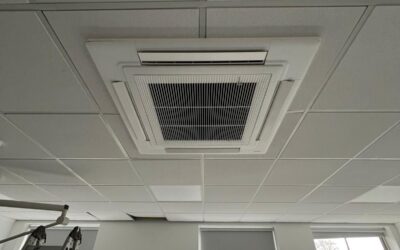
Panasonic Air Conditioning Install for Medivet Gatley
Customer requirementsThis case study focuses on the importance of Air Conditioning in Vets Practises and Clinics. Animals are particularly sensitive to...
FREE QUOTE
Use Our Free Quote Calculator